
The Hidden Secrets of Norway’s Stave Churches
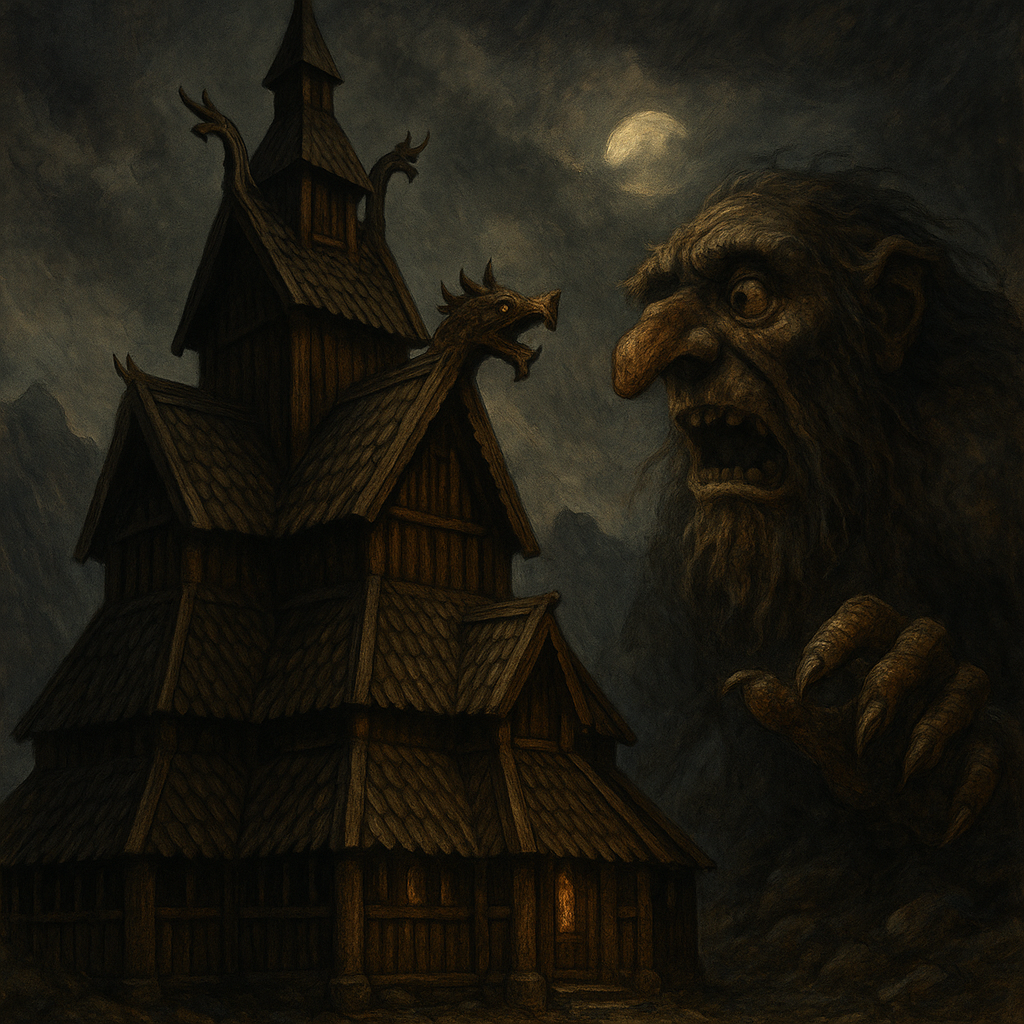
In the Middle Ages, Norway was home to more than 2,000 stave churches—dark, towering wooden structures shaped by the architecture of Viking longhouses and pre-Christian sacred sites that existed centuries before Christianity arrived. But these churches were not built at random. Christian builders deliberately raised them on top of Viking holy grounds, attempting not only to claim the land, but to symbolically “imprison the old God” beneath the foundations of the new faith. The clues are carved into the wood:…
Full story available for subscribers.
Subscribe to unlock the full story
Subscribe to unlock the full story