
In Norway, waterfalls live “by their own rules”.
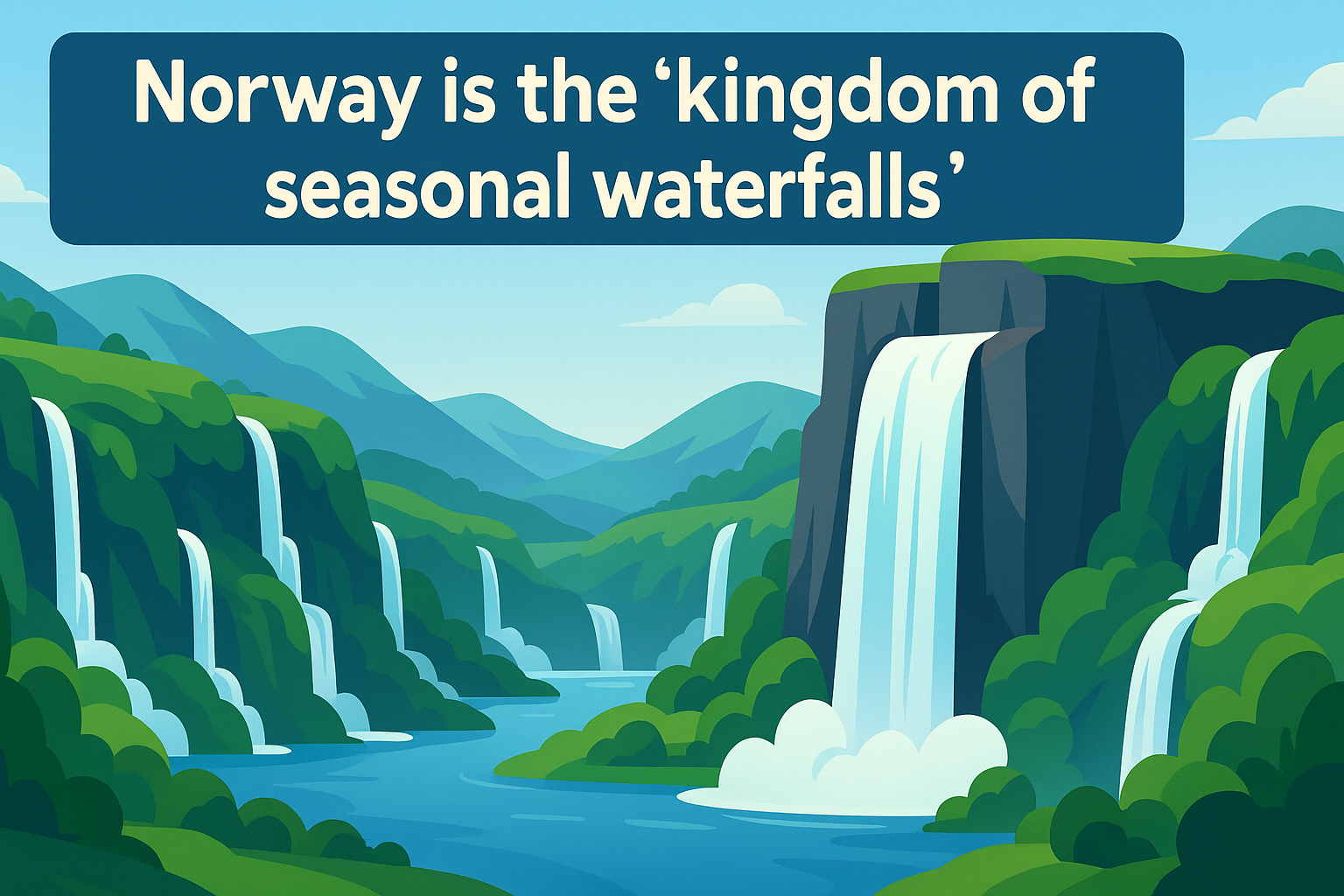
In Norway, even waterfalls follow their own rhythm — they disappear and return like the Northern Lights. Many waterfalls function only for a short period. They are beautiful for just a few weeks a year (usually from mid-June to early August). Most waterfalls here are of glacial origin — seasonally fed by glacier melt, or by small mountain lakes and snowfields, rather than by large river systems. Huge, but short-lived waterfalls. The water streams look mighty, yet as soon as…
Full story available for subscribers.
Subscribe to unlock the full story
Subscribe to unlock the full story