
How Fjords Were Formed?
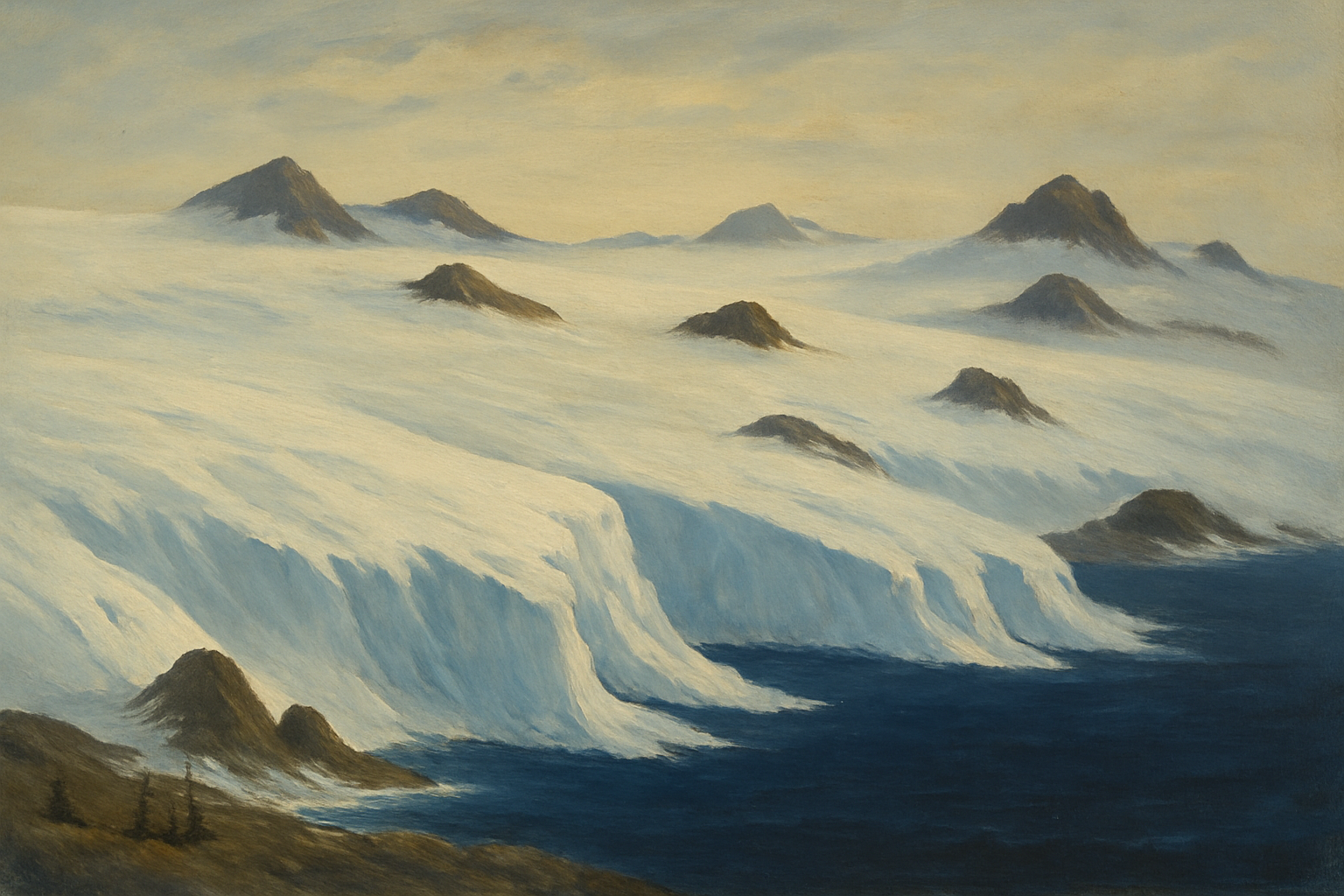
Geological Explanation: How Fjords Were Formed Fjords are deep valleys carved by glaciers and later filled with seawater after the Ice Ages. They are not ordinary river canyons, but formations created by immense glaciers moving forward with tremendous force. Over the past two to three million years, Scandinavia has experienced more than 50 ice ages. During these periods, a massive ice sheet covered the region: In the center (over present-day Sweden and Norway), it reached up to 3 kilometers thick,…
Full story available for subscribers.
Subscribe to unlock the full story
Subscribe to unlock the full story